Toxigenic Mold Specialists

Black Mold Removal in Raleigh, NC

Stachybotrys and other toxigenic mold species require extra containment, PPE, and post-job clearance testing. Here's how we handle it safely.

Specialized Containment Species ID via Lab Testing Clearance Testing Included
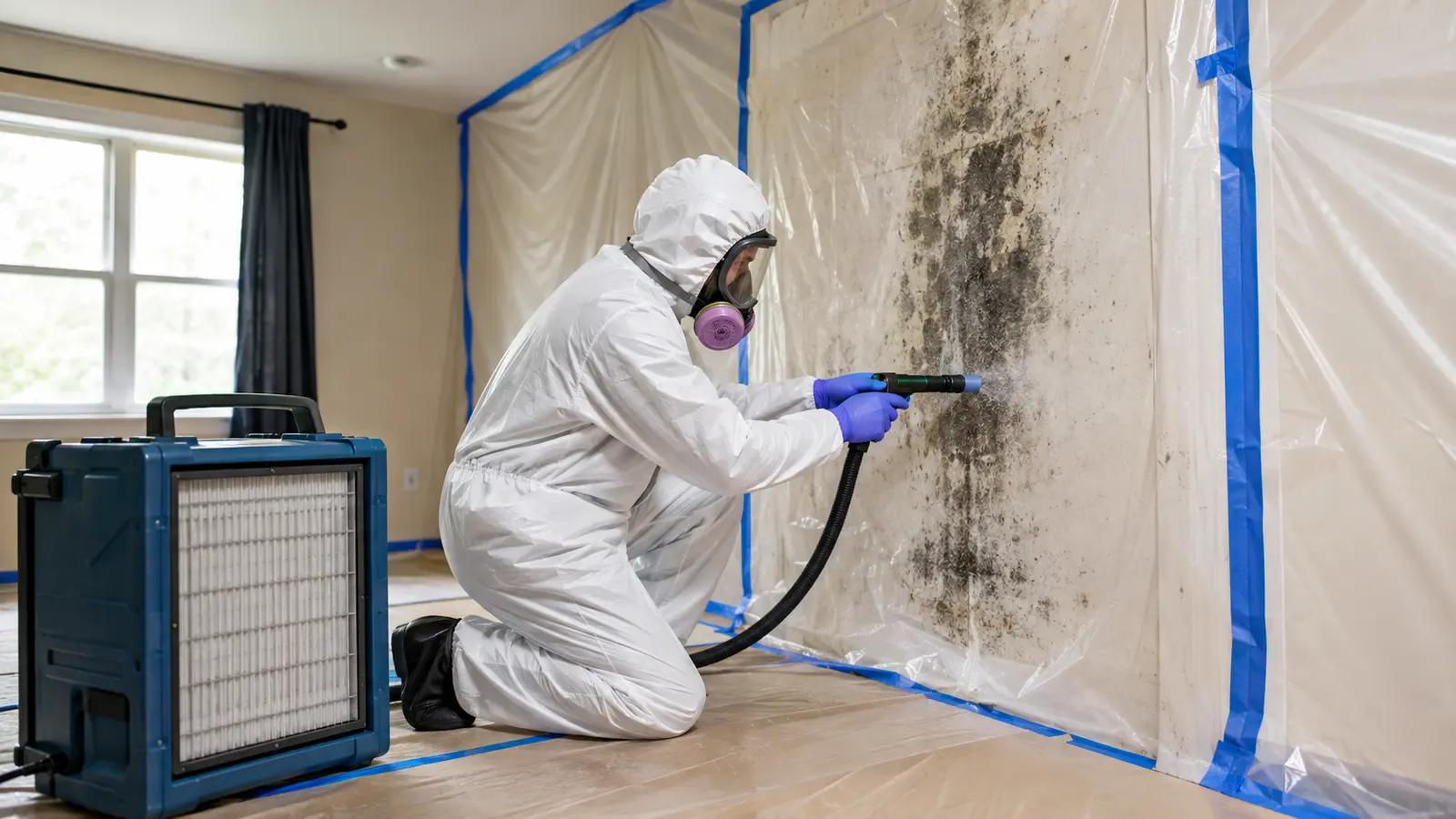
Certified technician in full protective equipment treating contained black mold growth

"Black mold" is a catch-all term most homeowners use for any dark-colored mold, but it's most often associated specifically with Stachybotrys chartarum — a greenish-black, slow-growing mold that favors chronically wet, cellulose-rich materials like water-damaged drywall paper, ceiling tiles, and wood. Raleigh's humid summers and older housing stock with original crawl spaces make it a recurring call for us, especially following an unresolved leak.

Not every dark mold is Stachybotrys — several harmless cosmetic molds are dark-colored too, which is exactly why species identification through lab testing matters before you assume the worst (or before you assume it's nothing).
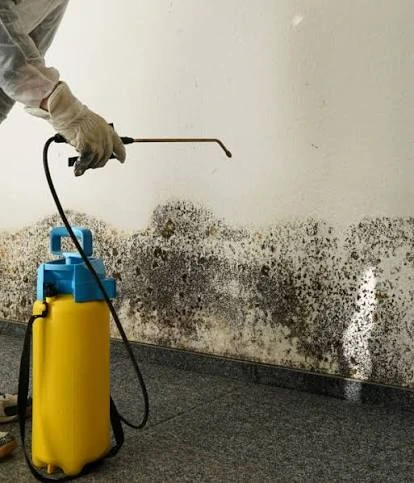
Technician applying antimicrobial treatment to black mold growth on an interior wall
Specialized containment and treatment for toxigenic black mold.

Signs You Need Black Mold Removal

  • Dark green-black, slimy or slightly fuzzy patches typically on water-damaged drywall, ceiling tiles, wood framing, or in a crawl space.
  • Strong, persistent musty odor that's noticeably worse than a typical mildew smell.
  • Known chronic moisture source a slow plumbing leak, condensation problem, or roof leak that went unaddressed for weeks or months.
  • Respiratory or skin irritation reported by household members, particularly those with asthma or mold allergies.
  • A previous positive lab result for Stachybotrys or another toxigenic species from an inspection.

Our Black Mold Removal Process

1

Species Confirmation

We lab-test to confirm species before quoting — this determines the containment level and PPE required, and confirms whether it's actually Stachybotrys or a look-alike.

2

Full Containment Build

Poly sheeting, negative air machines, and decontamination chamber for technicians entering and exiting the work area — a higher containment standard than routine mold jobs.

3

Removal & Disposal

Contaminated porous materials are removed, double-bagged, and disposed of per EPA guidance; technicians work in full PPE including respirators.

4

HEPA Clean & Clearance Test

The entire containment area is HEPA-vacuumed and wiped down, then independently air-tested to confirm spore counts have returned to normal before containment comes down.

Black Mold Removal Cost in Raleigh

Every job is different, but here's what Raleigh-area homeowners typically pay. For a full cost breakdown across every service and an interactive calculator, see our complete mold remediation cost guide.

Typical Raleigh-area price range
ScenarioTypical RangeNotes
Small area (<10 sq ft), contained$800 – $1,800Includes species testing and clearance testing.
Moderate area (10–50 sq ft)$1,800 – $4,000Single room or crawl space section.
Extensive (50+ sq ft or multiple rooms)$4,000 – $10,000+May include structural material replacement.
Clearance/post-remediation air test$250 – $450Confirms the area is safe before we close out the job — always recommended for black mold.
Every quote is written, itemized, and fixed before we start. No hourly surprises, no change orders unless we find something during demolition that genuinely wasn't visible during inspection — and if that happens, we stop and call you before continuing.
FAQ

Black Mold Removal — Frequently Asked Questions

For most healthy adults, the health effects of Stachybotrys aren't dramatically different from other mold exposure, but it and several other species can produce mycotoxins that pose greater risk to infants, the elderly, people with asthma or mold allergies, and anyone immunocompromised. The CDC's guidance is that visible mold should be removed regardless of species — we test mainly to select the right protocol, not to determine if removal is warranted.
For a very small, non-porous surface area (think: a small patch of bathroom tile grout), EPA guidance says DIY cleaning with soap and water (bleach isn't actually recommended by the EPA for porous surfaces) can be reasonable. For anything on drywall, wood, insulation, or larger than about 10 square feet, professional remediation with proper containment is the safer call — bleach doesn't penetrate porous materials and can mask surface staining while mold continues growing underneath.
We offer independent post-remediation clearance testing — air and/or surface sampling sent to a third-party lab, comparing results to an outdoor control sample. We recommend this for every black mold job specifically because the stakes of a false "all clear" are higher.
Yes — HVAC-related black mold requires coordinated work between remediation and duct cleaning; see our HVAC & Air Duct Mold Removal page for specifics.
Related

Related Services & Guides

Not Sure If You Have a Mold Problem?

Start with a professional inspection. We'll tell you exactly what's going on — no pressure, no upsell.
Call Free Consultation