
In This Article
This is one of the most consequential questions in the entire mold remediation process, because the answer can be the difference between a few-hundred-dollar deductible and a five-figure out-of-pocket expense. The short answer: it depends entirely on what caused the mold — not on how severe it is, and not on which company you hire.
The General Rule Insurers Use
Most North Carolina homeowners policies cover mold remediation when the mold resulted from a sudden, accidental, and covered water event — think a burst pipe, an appliance failure, or storm damage that caused a roof leak. They generally exclude mold resulting from gradual water damage — long-term humidity, condensation, slow leaks that went unaddressed, or anything categorized as a maintenance issue.
Situations Usually Covered
- Mold following a sudden pipe burst, discovered and reported promptly
- Mold from storm/wind damage that caused an acute roof leak
- Mold from a covered appliance malfunction (washing machine hose failure, water heater rupture)
Situations Usually Not Covered
- Mold from long-term high humidity or condensation with no sudden trigger event
- Mold from a slow leak that existed for weeks or months before discovery
- Mold attributed to poor maintenance (a known leak that was never repaired)
- Mold in a crawl space or basement with no vapor barrier, absent a specific covered water event
How to Document a Claim Correctly
- Report promptly. The gap between when a water event happens and when it's reported/addressed is one of the first things adjusters evaluate — delays make "gradual damage" denials more likely.
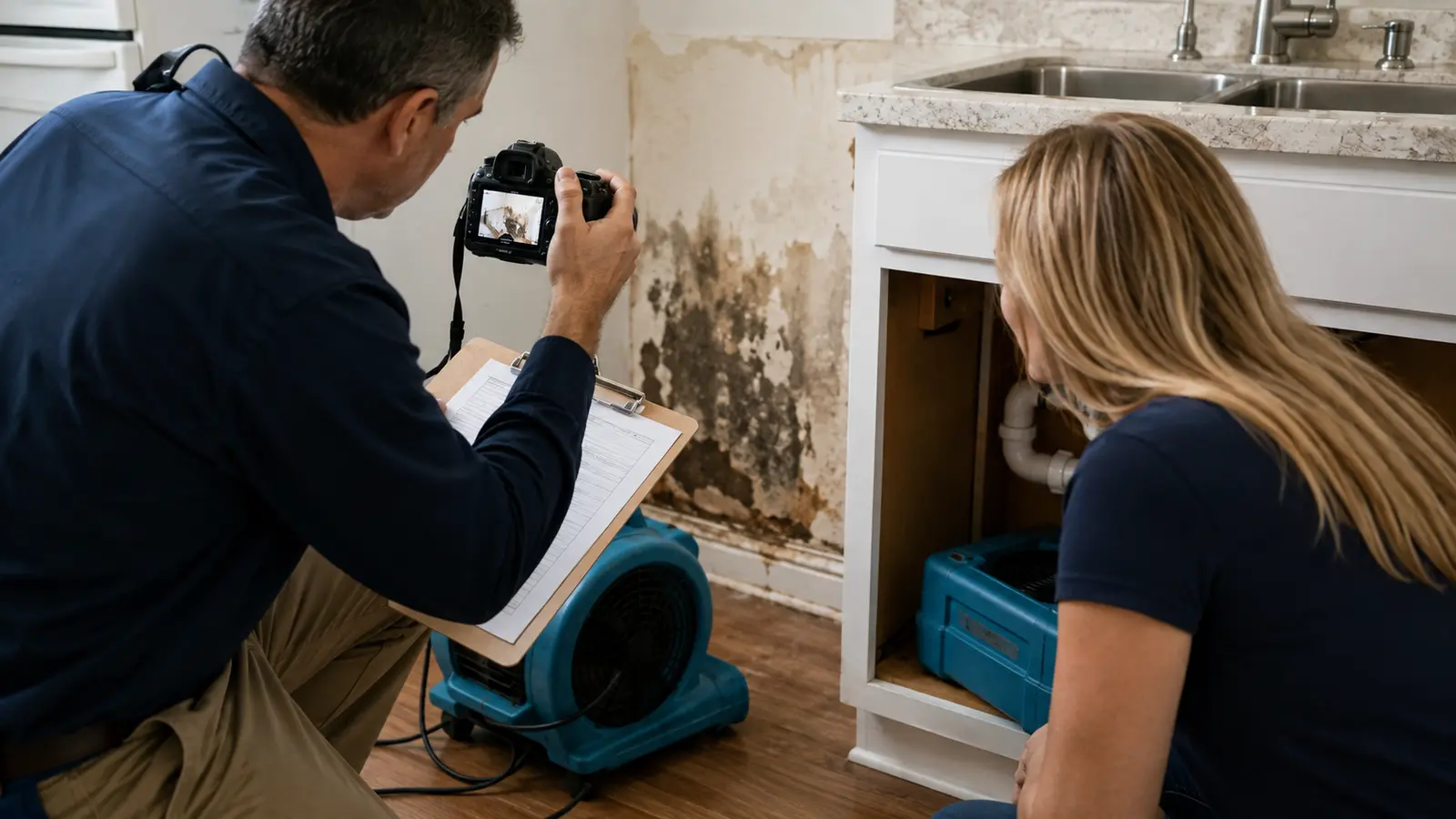
- Photograph everything before cleanup begins, including the water source itself if visible (the burst pipe, the failed hose, the roof damage).
- Get a written inspection report identifying both the mold and, ideally, the specific triggering event — a report that just says "mold present" without connecting it to a cause is weaker for claims purposes.
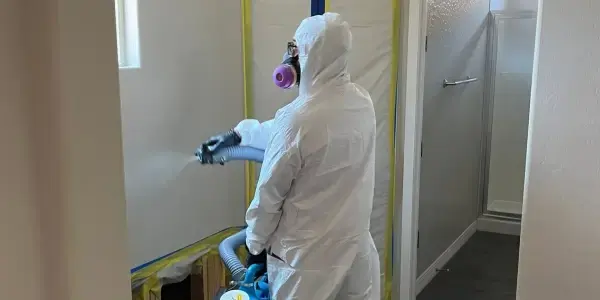
- Keep all remediation documentation — scope of work, invoices, and before/after photos — for the claim file.
Watch for Mold-Specific Coverage Sublimits
Even when mold remediation is covered in principle, many NC policies cap mold-related payouts at a sublimit — often $5,000 or $10,000 — well below the total coverage for the underlying water damage claim. Check your specific policy's mold endorsement or exclusion language, or ask your agent directly before assuming full coverage.